
Partial solar eclipse visible across Newfoundland and Labrador Wednesday
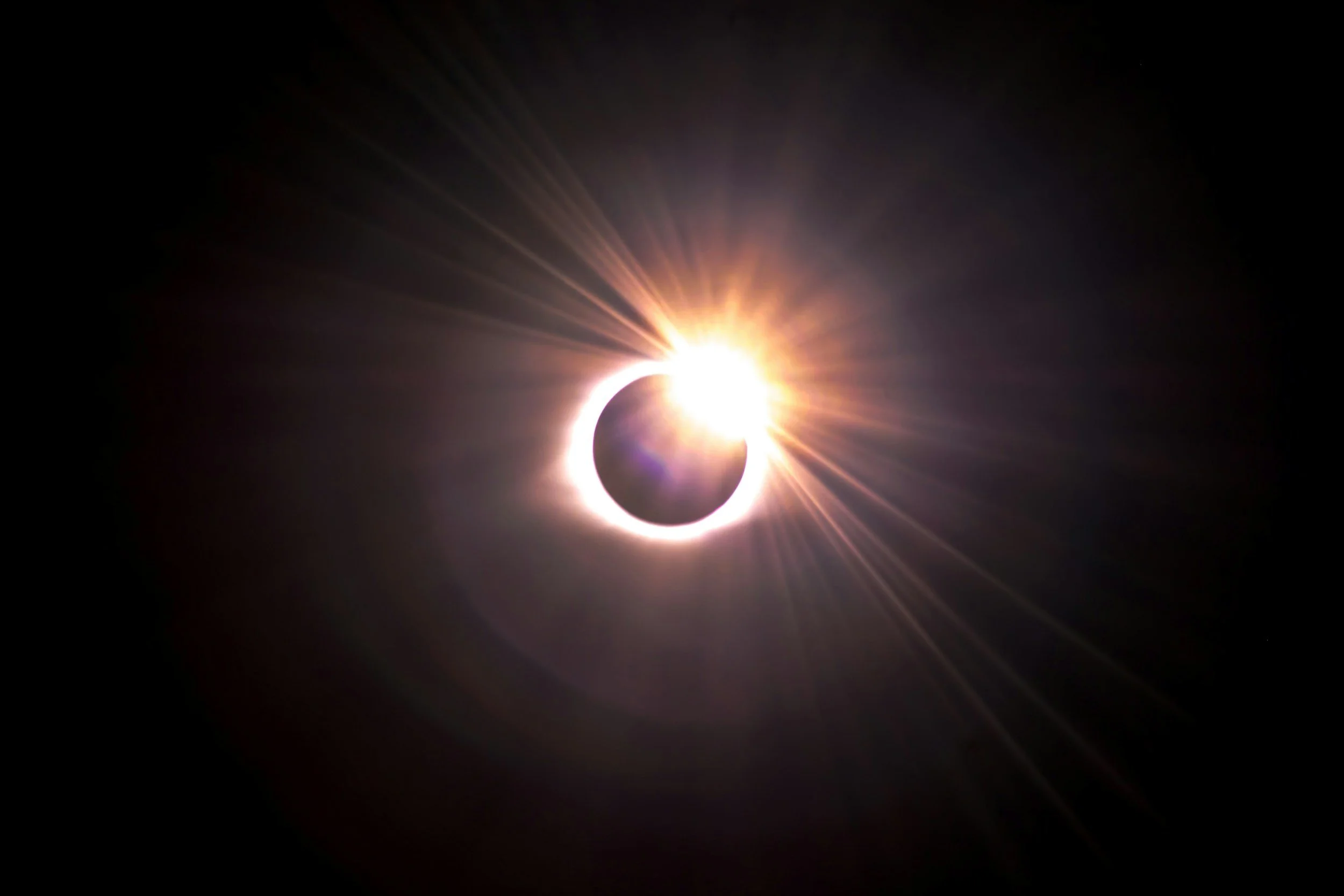
A total solar eclipse will sweep across part of the Northern Hemisphere on Wednesday, August 12, 2026, with the path of totality crossing Greenland, western Iceland and northern Spain.
Within that relatively narrow path, the Moon will completely cover the Sun for a short time. The longest period of totality will last a little more than two minutes near Iceland. The eclipse will also reach northern Portugal and parts of the Arctic before ending near sunset in Spain. NASA has a full overview of the eclipse and its path here.
Newfoundland and Labrador will be outside the path of totality, but we are close enough to see a fairly significant partial solar eclipse.
Across the province, the eclipse will begin during the early to mid-afternoon and continue for just over two hours. At its peak, roughly 42% to 56% of the Sun’s visible surface will be covered, depending on where you are.
The greatest coverage in the areas listed below will be around Mary’s Harbour, Nain and St. Anthony. St. John’s and Gander will also see just over half of the Sun covered. Coverage will be a little lower toward southwestern Newfoundland and western Labrador.
Even with more than half of the Sun covered, this will not look like the middle of the night. The remaining portion of the Sun will still be extremely bright. There may be a subtle change in the quality of the daylight around the peak, particularly where skies are clear, but this will not be the dramatic darkness experienced inside the path of totality.
This image from NASA shows where the total and partial solar eclipse is viewable (weather dependent) tomorrow - August 12, 2026
Eclipse times across Newfoundland and Labrador
Times are local and rounded to the nearest minute. Newfoundland and southeastern Labrador are listed in Newfoundland Daylight Time, while most of Labrador is listed in Atlantic Daylight Time.
The precise timing will vary slightly outside the communities listed, but the table gives a good guide for each region. Local circumstances were calculated for each community and checked against published eclipse timing for St. John’s, Gander, Corner Brook and Happy Valley-Goose Bay.
Will the weather cooperate?
As always in Newfoundland and Labrador, the eclipse itself is predictable. The cloud cover is the wildcard. Here are some forecast highlights with respect to cloud cover at the approximate eclipse times.
Avalon and Eastern Newfoundland
Expect a mix of sun and cloud, except cloudy near and along the south facing-shores and possibly along parts of the southern shore. Showers will be arriving just after the eclipse ends.
Central and Northeastern Newfoundland
Mostly cloudy skies with showers moving in. Areas outside the showers during eclipse time will have the best chance of viewing it (with safety equipment).
Western Newfoundland and the Northern Peninsula
Skies may clear along and near parts of the West Coast in time for the eclipse; however, the Northern Peninsula looks to remain clouded over at this time.
Southern and Southwestern Newfoundland
Skies become partly cloudy through the afternoon. This part of the Island will likley have the best viewing conditons.
Southern and Central Labrador
Cloudy with areas of rain and possible thunderstorms.
Northern Labrador and Western Labrador
Skies remain cloudy in the north but should break in the west enough to perhaps get some views of the partial eclipse.
Cloudy skies would hide the eclipse, but even areas with a broken cloud deck may get a chance to see it through well-timed breaks. Thin cloud may also allow the shape of the partially covered Sun to show through, but proper eye protection is still required.
How to watch it safely
At no point will the eclipse be total in Newfoundland and Labrador. That means there is no safe period to look directly at the Sun without proper protection.
Use certified eclipse glasses that meet the ISO 12312-2 safety standard, or view the eclipse indirectly with a pinhole projector. Regular sunglasses are not enough, regardless of how dark they are.
Do not look at the Sun through binoculars, a telescope or a camera without a properly fitted solar filter placed over the front of the instrument. Looking through magnifying optics without the right filter can cause severe and permanent eye damage.
If the weather cooperates, the best viewing window will be close to the maximum-eclipse time listed for your area. You do not need to watch the full two-hour event to see it. Even a few minutes near the peak should provide a good look at the Moon taking a large bite out of the Sun.
